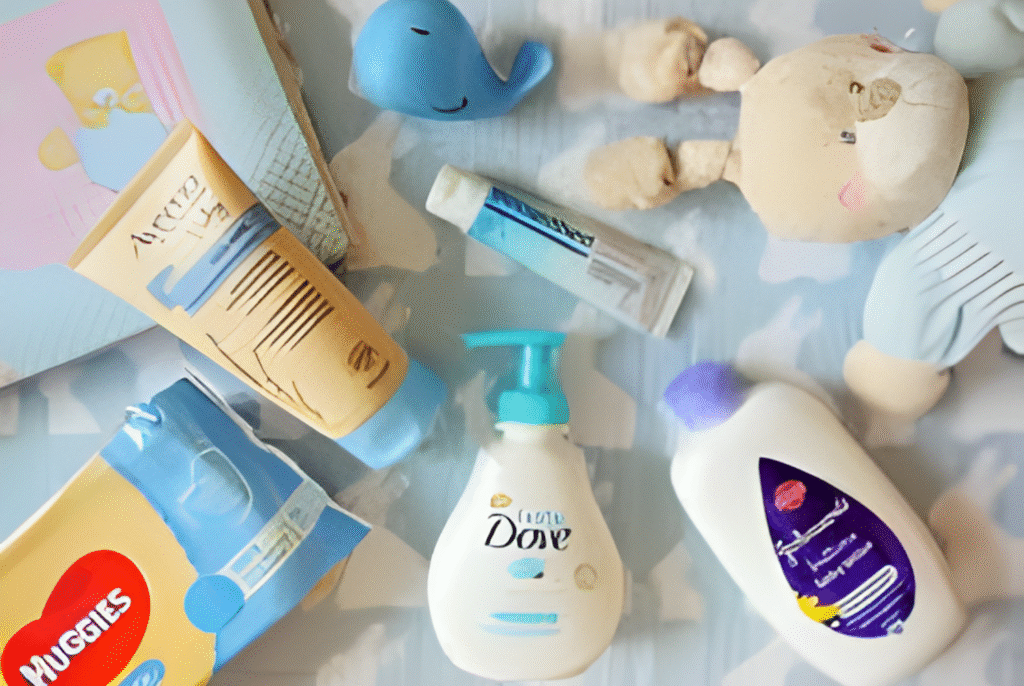
Caring for a newborn can feel like stepping into an entirely new world. Between feeding, bathing, massaging, and ensuring safe sleep, parents often find themselves wondering if they’re “doing it right.” The truth is, there isn’t one perfect way , every baby is unique. But having a clear routine with safe and simple practices helps your little one thrive while making your parenting journey more confident and joyful.
Below, we’ll walk through the essentials of caring for your baby during the first six months , covering everything from scalp care to safe swaddling.
Scalp and Hair Care
Your baby’s scalp is tender, and the first hair wash should be delayed until the umbilical cord has fallen off. This ensures safety and avoids unnecessary exposure to water too early.
When it comes to shampoo, stick to fragrance-free baby shampoos. They are mild, safe, and won’t irritate your baby’s eyes. Washing the hair once or twice a week is enough, unless there’s visible soiling.
One common concern is cradle cap, which looks like yellow or white scaly patches on the scalp. Don’t worry , it’s harmless. A simple trick is to apply mineral oil on the affected area and remove the crust gently after 2–3 hours.
Caring for the Eyes
Your baby’s eyes are delicate and need gentle handling. If you notice stickiness, you can clean them once daily using a sterile cotton swab dipped in normal saline. Always wipe from the inner corner towards the outer corner, and use a clean part of the cloth for each eye to prevent cross-infection.
Many families have a tradition of applying kajal, but doctors strongly advise against it. Kajal can introduce infection and does not have any proven benefit.
When to see the doctor: If your baby has yellowish sticky discharge, it’s best to consult a paediatrician. They might prescribe safe eye drops to clear the infection.
Quick tip: Always wash your hands before cleaning your baby’s face.

Ear care
It’s a common mistake to try cleaning a baby’s ears with cotton swabs but this should never be done. Inserting anything into the ear canal can cause injury or push the wax deeper.
Instead, simply use a soft damp cloth to clean the outer ear and behind the ears. A little ear wax is actually normal and healthy. It protects the ear canal from dust and germs and usually comes out on its own. If you notice ear wax, just leave it be no home removal is necessary.
Teeth and Gums
Even before teeth appear, your baby’s gum pads need gentle cleaning. After each feed, wrap a soft, clean cloth around your finger and wipe the gums.
Sometimes you may see white patches on the tongue. Avoid scrubbing them hard, as it can cause injury and increase the risk of infection.
For oral health, ensure exclusive breastfeeding and avoid bottles, teats, nipples, or pacifiers. And remember, toothpaste with fluoride should not be used in babies — swallowing fluoride can be harmful.
Skin Care
Newborn skin is naturally soft and smooth. It does not need creams, lotions, or powders unless recommended by your doctor. Normal skin will not show dryness, redness, or peeling in the first weeks.
Bathing Your Baby
Bathing a newborn can feel intimidating at first. The best time for the first bath is after 24 hours of birth, once your baby’s body temperature and feeding routine are stable. Avoid bathing in the first 6 hours of life.
Until then, you can gently clean the skin and umbilical cord with warm water and a mild, non-medicated soap. Always keep the bath water lukewarm (37–37.5°C) , if you don’t have a thermometer, test it on your wrist; it should feel warm but not hot.
Keep bath time short – 5 to 10 minutes is enough. If you notice a white creamy layer (vernix) on your baby’s skin, don’t rub it off. It naturally sheds by the third day of life and actually protects your baby in the early days.
If you prefer a tub bath, make sure the water is only 5 cm deep (up to the baby’s hips). Bath tubs and toys can harbor germs, so remember to disinfect them regularly.
Massaging Your Baby
Massage isn’t just about skin care – it’s a beautiful way to bond. Babies love the gentle touch, and parents often find it calming too.
Massage can be done by anyone -mother, father, or even grandparents but ideally, the mother herself should give it to strengthen bonding. A full-body massage usually takes 15–30 minutes.
Choose a time when your baby is calm, alert, and not hungry usually 1–2 hours after feeding. The room should be warm and quiet, without distractions like toys or loud sounds.
Massage providers should avoid having long nails or wearing any jewellery like rings or bangles.Massage should be slow, gentle, and rhythmic, firm enough for your baby to feel secure. Always keep your nails short and remove jewelry to avoid scratches. Work on one part of the body at a time.
Which oils are safe?
Do use – Sunflower oil, coconut oil, mineral oil. Check sensitivity over a small area of skin before beginning.
Avoid olive oil, soybean oil, and mustard oil , they can dry or irritate the skin.
Seasonal care:
- In summer, give oil massage before the bath.
- In winter, give it after the bath.
- Oil massage is to be avoided during summer, if miliaria rubra is present.
Safety reminders:
- Never let oil enter your baby’s eyes, nose, mouth, or ears.
- Don’t massage if your baby is sick.
- Don’t wake a sleeping baby just for massage.
Umbilical Cord Care
The umbilical cord stump usually falls off within a few weeks. Until then, keep it clean and dry.
Wash your hands before and after cord care. If the stump gets soiled, wash with mild soap and water and then dry thoroughly with a soft cloth.
Avoid applying anything to the stump – no oil, turmeric, powder, lotion, or bandage. To reduce the risk of contamination, always keep the diaper below the stump, so it doesn’t touch urine or stool.
Diaper Area Care
Babies feel most comfortable when kept clean and dry. Change nappies or diapers frequently, whether they are cloth or disposable. It’s a good habit to check before and after each feed.
During each change, allow the skin to air dry for a few moments. Clean gently with cotton wool or a soft moistened cloth. Always wipe front to back. Avoid fragrant wipes, alcohol wipes, oils, or soaps they may irritate sensitive skin.
If a diaper rash appears, apply petroleum jelly or zinc oxide paste to soothe the area.
For cloth diapers, washing them in lukewarm water, rinsing thoroughly, and drying in fresh sunlight is enough.
Sleep
Newborns spend most of their time sleeping usually 15 hours a day. But safe sleep practices are very important.
Always place your baby on their back to sleep, never on the tummy. Sleeping on the stomach is linked to suffocation and Sudden Infant Death Syndrome (SIDS).
The mattress should be firm with fitted sheets. Avoid pillows, thick blankets, or stuffed toys in the bed. If using a crib, ensure the bars are less than 2.5 inches apart, so your baby cannot slip through. Keep the baby’s face and head uncovered at all times.
Another small but useful habit – always burp your baby before putting them to sleep. This prevents colic, regurgitation, or vomiting.
Sleep routine notes:
- For the first 3 months, babies often need feeds and comfort during the night.
- From 2 months onward, some babies may start sleeping through the night.
By 3 months, you can gently encourage self-soothing.
Swaddling
Swaddling can help newborns feel safe and cozy, but it should be done carefully. Never keep your baby swaddled all the time. Over-swaddling can cause overheating, sweating, and irritability.
Unswaddle your baby when they are awake, feeding, or playing. This gives them the freedom to move and supports healthy growth.
Swaddling should always leave room for the legs to bend and move outward, which is important for proper hip development. Do not swaddle too tightly. If a baby rolls onto their tummy while swaddled, they may not be able to roll back — increasing the risk of suffocation.
Use only a light blanket for swaddling and leave about two fingers of space between the chest and the cloth.
Clothing
When stepping outside, a soft cap is enough to protect your baby from cold. A good rule is simple — if you feel cold, your baby probably feels the same.
The best choice of clothing is always cotton. It is breathable, safe, and prevents overheating. Avoid clothes with buttons or decorations that may become choking hazards. Instead, choose front-opening clothes with safe zippers or buttons.
Always wash new clothes before using them. Rinse them well and dry in fresh air and sunlight. A dye-free, chemical-free detergent is safest for your baby’s skin.
How can you support your baby’s development at this stage?
The first six months with your baby are a delicate balance of care, learning, and love. While routines provide structure, remember that babies are wonderfully unpredictable—some may enjoy swaddling, while others resist it; some may sleep longer stretches early, while others need frequent cuddles.
As a parent, the best thing you can do is stay gentle, patient, and responsive to your baby’s signals. With time, you’ll not only master these care routines but also discover your own unique rhythm with your little one.
💡 At Faster Pharmacy, we’re here to make your parenting journey easier—whether it’s baby essentials, trusted medicines, or daily care products, all delivered to your doorstep with love and care. 👉 Visit Faster Pharmacy
Faster Care Tip: Skip the pharmacy rush! Order your baby care essentials and medicines online — it’s fast, safe, and delivered right to your doorstep. A few clicks today can save you a last-minute pharmacy run tomorrow.
Last medically reviewed on September 12, 2025 by Dr Tanvi Modi, MBBS, MD, DNB (Paediatrics)

Dr Tanvi Modi,
MBBS,
MD, DNB (Paediatrics)