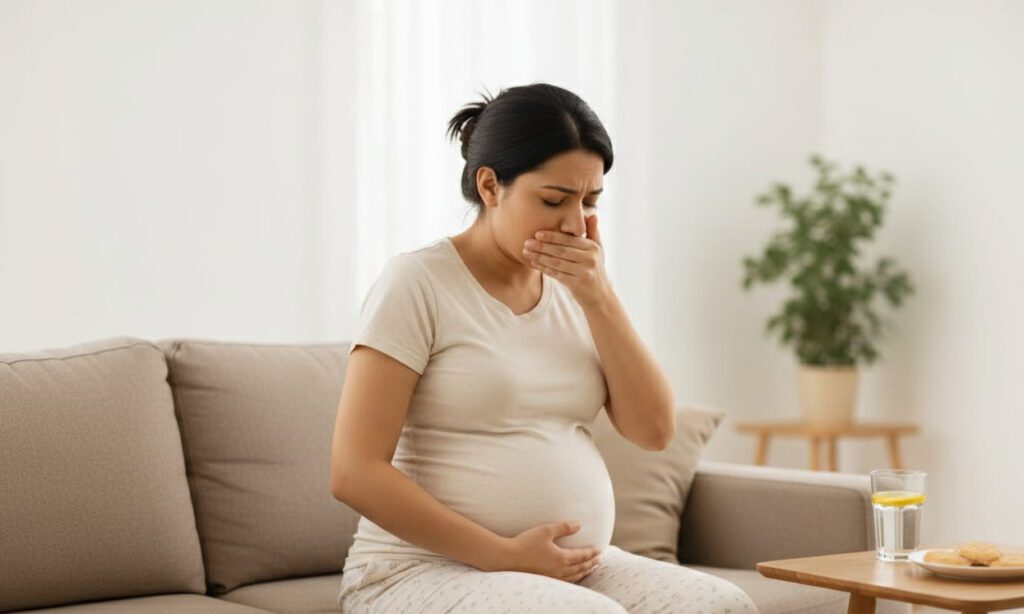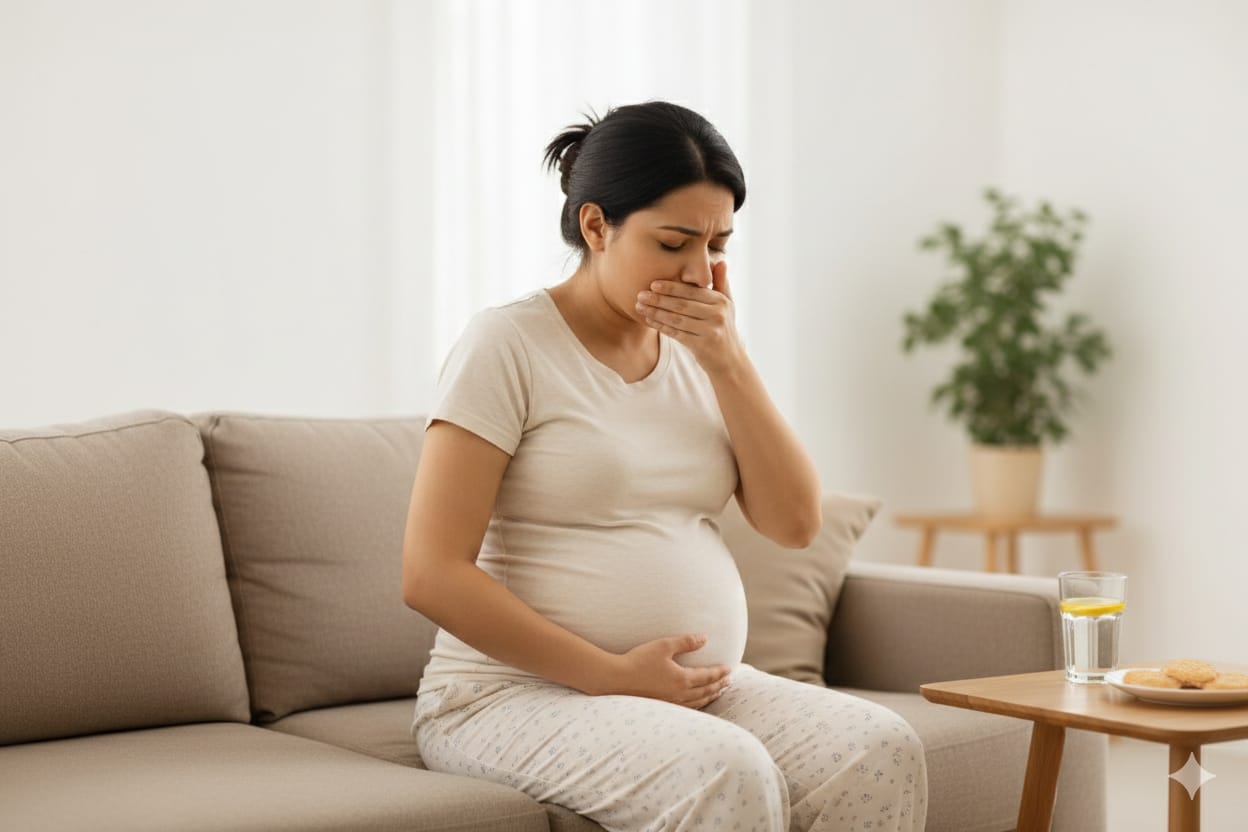
Have you noticed that pregnancy suddenly turns you into a completely different eater?
One moment you are dreaming about chocolate, ice cream or gulab jamun. The next, you are finishing an entire packet of chips or chanachur without even realizing it. Some days all you want is spicy samosas and chaat. Other days it is mangoes, lassi, paneer or dal-chawal. And then out of nowhere, you find yourself craving pickles or imli like it is the most delicious thing in the world.
If this sounds familiar, don’t worry. You are not alone.
Food cravings are one of the most common and normal parts of pregnancy. In fact, studies show that almost 50 to 90 percent of pregnant women experience them at some point.
The key is not to fight every craving, but to understand why they happen and learn how to manage them in a healthy, balanced way.
What do pregnancy cravings usually look like?
Cravings can vary from woman to woman and even from day to day. There is no fixed pattern.
Some common cravings many Indian women report include:
- Sweets like chocolate, mithai, ice cream or kheer
- Salty snacks like chips, namkeen or chanachur
- Spicy street foods like samosas, chaats or pani puri
- Dairy foods like cheese, lassi or curd
- Fruits like mangoes or bananas
- Protein-rich foods like chicken, eggs, dal or chole
- Sour foods like pickles, imli or raw mango
Sometimes the combination feels funny even to you. One day sweet, the next day spicy, and by evening something sour. It can make you wonder what exactly your baby wants.
Why do food cravings happen during pregnancy?
Like many changes in pregnancy, cravings have both physical and emotional reasons.
Nutrient needs
Sometimes your body may crave foods that contain nutrients you are low in, such as:
- Iron
- Calcium
- Zinc
- Sodium
- Magnesium
For example, craving dairy may indicate a higher calcium need, or craving salty foods may reflect changes in electrolyte balance.
Hormonal changes
Pregnancy hormones like estrogen and progesterone increase your sense of taste and smell. Foods may suddenly taste stronger, better or more comforting than before.
Another hormone called neuropeptide Y increases appetite and can drive specific food cravings.
Emotional factors
Pregnancy also brings mood changes. On stressful or tiring days, you may naturally reach for comfort foods that are high in sugar or fat. These foods temporarily make you feel better, even if you were not physically hungry.
So cravings are not just about hunger. They are often a mix of body chemistry and emotions.
When do cravings usually start?
For most women:
- Cravings begin in the first trimester
- Become stronger in the second trimester
- May reduce in the third trimester
They can also change throughout the day. Some women feel them more in the morning, while others notice late-night cravings.
As pregnancy progresses, you might notice your preferences shifting completely. Something you loved last week may suddenly feel unappealing.
All of this is normal.
Can cravings affect weight or blood sugar?
Yes, they can if not managed mindfully.
Frequently giving in to high-sugar or high-fat foods may lead to:
- Excess weight gain
- Low energy
- Indigestion
- Increased risk of gestational diabetes
Some studies suggest that constant sweet cravings may be linked with higher chances of blood sugar imbalance.
This does not mean you should never enjoy your favorite foods. It simply means balance and portion control are important.
How to manage food cravings in a healthy way
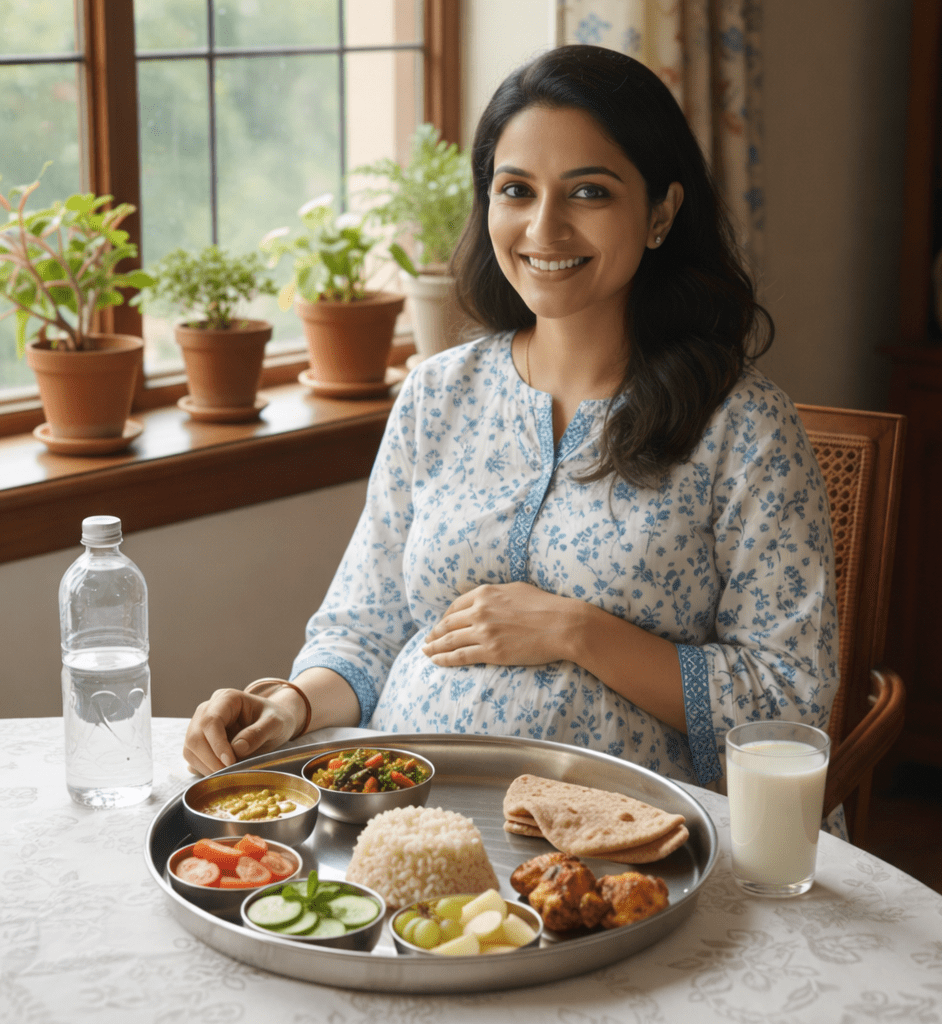
Managing cravings is not about strict dieting. It is about making smarter swaps and planning ahead.
Plan balanced meals
When your meals contain enough protein, fiber and healthy fats, you feel full for longer and sudden cravings reduce. Skipping meals often makes cravings stronger later.
Practice portion control
If you want a sweet or snack, have a small portion instead of a large one. Enjoy it slowly and mindfully instead of eating straight from the packet.
Keep healthier options ready
Sometimes cravings hit simply because unhealthy snacks are easily available. Stock your kitchen with better alternatives such as:
- Fresh fruits
- Curd or yogurt with a little honey
- Roasted peanuts or chana
- Sprouts bhel
- Coconut water
- Homemade snacks
These satisfy hunger while still providing nutrients.
Understand your triggers
Notice when cravings appear. Are you actually hungry, bored, stressed or tired? Identifying the trigger helps you respond better.
Stay active
Light physical activity like walking or prenatal yoga can distract you from unnecessary snacking and help with weight management.
Manage stress
Relaxation techniques like deep breathing, meditation or gentle stretching help reduce emotional eating. When stress reduces, cravings often reduce too.
Practice mindful eating
Eat slowly. Pay attention to taste and fullness. This helps prevent overeating and improves satisfaction.
Quick tip
When a craving hits, pause and ask yourself if you are truly hungry. If yes, enjoy a small portion and pair it with protein or fiber — like a small sweet with nuts or fruit with curd. This keeps cravings satisfied without overeating.

A special note about unusual cravings (Pica)
If you ever feel like eating non-food items such as mud, clay, chalk or dirt, it may be a condition called pica. This can sometimes be linked to nutritional deficiencies and can be harmful.
If this happens, consult your doctor or gynecologist immediately.
Faster Care Tip: Skip the pharmacy rush! Order your baby care essentials and medicines online — it’s fast, safe, and delivered right to your doorstep. A few clicks today can save you a last-minute pharmacy run tomorrow.
Food cravings are a completely normal part of pregnancy. They do not mean something is wrong, and you don’t need to feel guilty about them.
Listen to your body, but guide it gently.
Enjoy your favorite foods in moderation, keep your meals balanced and focus on nourishing yourself. A well-fed and well-cared-for mother is the best gift you can give your baby.
Small, mindful choices every day go a long way toward a healthy and comfortable pregnancy.
Last medically reviewed on January 20, 2026 by Dr. Bhavya Doshi Jain
MBBS (AFMC), MS, FMAS, MNAMS, PDCC ( AIIMS R)
Consultant Obstetrician and Gynecologist