

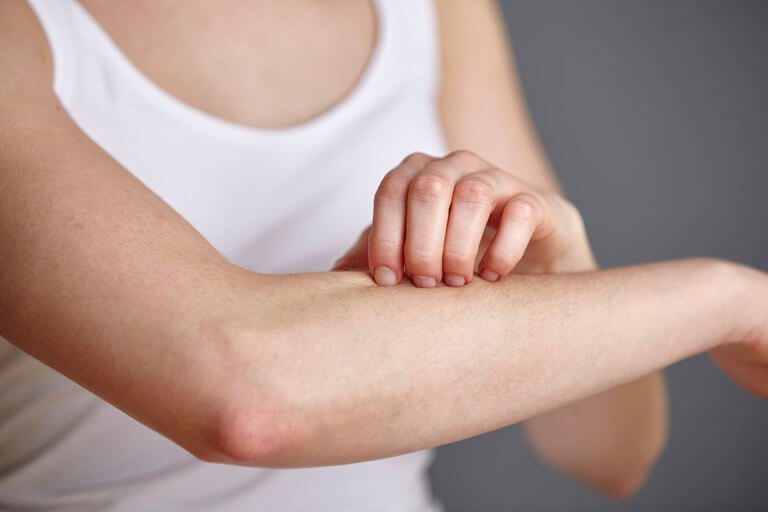
Every Indian household has its own instant fix for “khaaj, khujli, or daane.” One person says, “Just apply haldi paste!”, another swears by “boroline for everything.”
But skin allergies and rashes are not always that simple. They can look similar but have completely different causes — from dust and pollen to a new detergent, food, or even a cosmetic cream.
The good news: most skin rashes and allergies are mild and go away with simple, safe care. The bad news: some home remedies and overuse of creams can make things worse.
Let’s break down how to handle common skin allergies the right way — with clear, evidence-based guidance, some myth-busting, and a few relatable laughs.
What a Usual Skin Allergy Looks Like
Skin allergies often appear suddenly as itchy red patches, small bumps, or dry, flaky areas. Sometimes it feels like multiple mosquito bites; other times, the rash spreads when you scratch it.
The main reason behind this reaction is your immune system. It overreacts to something harmless and releases a chemical called histamine, which causes itching, redness, and swelling.
Common types of allergic skin reactions include contact dermatitis (after touching detergents, metals, dyes, or cosmetics), hives or urticaria (red raised itchy bumps that come and go), and mild eczema, where skin becomes dry, cracked, and itchy repeatedly.
If the rash is limited, not painful, and itching is manageable, it is usually mild and can be handled at home. But if it spreads rapidly, oozes fluid, or causes swelling, medical advice is important.
Evidence-Based Remedies That Actually Work
Forget social-media skincare hacks. These are the treatments dermatologists actually recommend for mild skin allergies. For itching and redness, oral antihistamines like cetirizine, loratadine, or fexofenadine are commonly used. They work by blocking histamine and usually need just once-daily dosing. Always follow age-appropriate dosing and avoid mixing medicines. To soothe irritated skin, calamine lotion or aloe-based creams are very helpful. They provide cooling relief and are safe for mild itching, insect bites, or heat rash when fragrance-free products are used. For redness and inflammation, hydrocortisone 1% cream may be used for a short duration. It reduces swelling and itching but should be applied only on intact skin and only for a few days. Avoid using it on the face or over large areas unless a doctor advises it. If moisture or fungal infection is suspected, fungal or mixed-irritation creams may help, but labels must be read carefully, especially before applying to sensitive areas. Along with medicines, basic care is essential. Keep the skin clean and dry, wear loose cotton clothes, avoid scratching, trim nails if needed, and use a gentle fragrance-free moisturizer twice daily. If the rash does not settle within a few days or you are unsure of the cause, it is always better to show it to a dermatologist.
Indian “Nuskhe” – What’s Okay and What’s Risky
In Indian homes, skincare advice often comes from the kitchen shelf. Some remedies are harmless, while others can irritate already sensitive skin.
Cold aloe vera gel can be soothing if the skin is not broken. Coconut oil or baby oil can help with dryness but should not be applied on active rashes or open skin. Besan or multani mitti may suit oily skin but should be avoided during active allergic flare-ups.
What should be avoided are hot oil massages on rashes, haldi paste or toothpaste on red itchy skin, and strong antiseptic or combination creams used without medical advice. If something burns or stings, it is usually harming the skin, not healing it.
Mild home care is fine, but when the rash spreads, burns, or lasts beyond a few days, it’s time to move from nuskha to medical guidance.
Common Myths Indian Families Still Believe
Many myths around skin allergies continue to circulate.
Rashes are often blamed on “heaty food,” but allergies are immune reactions, not temperature issues. Applying something that burns does not mean it is working — burning usually means irritation. Using multiple creams together does not heal faster; it can damage the skin barrier.
Most skin rashes do not need antibiotics unless there is a confirmed bacterial infection. And allergies are not limited to children — adults can suddenly develop reactions to soaps, detergents, perfumes, or even jewellery.
Safe Products You Can Keep at Home
For mild allergic reactions, it is reasonable to keep a few safe options at home. These include a non-sedating antihistamine as advised by your doctor, calamine lotion or aloe-based soothing gel, a fragrance-free moisturizer, and hydrocortisone 1% cream for very short-term use.
Always check expiry dates, apply with clean hands, and avoid using prescription-strength steroid creams like Betnovate or antibiotic creams unless specifically prescribed. These are not everyday skincare products.
Faster Care Tip: Skip the pharmacy rush! Order your essentials medicines online — it’s fast, safe, and delivered right to your doorstep. A few clicks today can save you a last-minute pharmacy run tomorrow.
When to Talk to Your Doctor
Medical evaluation is important if the rash spreads quickly, oozes fluid, crusts, or becomes painful. Swelling around the eyes, lips, or face, fever, breathing difficulty, or a rash appearing after a new medicine or food are warning signs.
If there is no improvement after 3–5 days of proper care, do not keep experimenting — consult a doctor.
Skin allergies are uncomfortable but most are temporary and harmless. The key is gentle care, patience, and avoiding aggressive treatments.
Avoid random advice, harsh creams, and over-treatment. When in doubt, simple care and timely medical advice work best.
If you’re in Thane, authentic doctor-recommended allergy relief medicines are available at Faster Pharmacy, delivered safely and stored properly for quality assurance.
Last medically reviewed on September 25, 2025 by Dr Tanvi Modi, MBBS, MD, DNB (Paediatrics)

Dr Tanvi Modi,
MBBS,
MD, DNB (Paediatrics)