


Ever woken up exhausted despite a full night’s sleep, blaming it on “Monday blues” or endless chai breaks, only to find your thyroid levels are playing hide-and-seek? In India, where 1 in 10 urban adults battles thyroid issues—thanks to stress, iodine gaps, and genetic quirks—you’re not alone in the foggy-brain, weight-wobble club. But with the right meds and a desi-smart routine, you can reclaim your energy. This guide covers top thyroid medicines and daily habits, always doctor-led.
(Disclaimer: Never self-medicate thyroid drugs. Improper use can worsen heart issues or bone health. Consult an endocrinologist for tests and personalized plans—no dosages here.)
What Thyroid Imbalance Looks Like
Hypothyroidism (underactive) hits with fatigue, dry skin, hair fall, weight gain, and chilly intolerance—common in Indian women post-30.
Hyperthyroidism (overactive) brings weight loss, palpitations, heat intolerance, and anxiety. Straightforward cases? Mild hypo managed outpatient; serious ones like nodules or Graves’ need scans. Symptoms lingering 4–6 weeks? Get TSH and T4 tested.
Evidence-Based Thyroid Medicines
Doctors pick from these standard classes based on TSH levels, cause (Hashimoto’s is common in India), and response:
Levothyroxine (T4 replacement): Brands like Thyronorm, Eltroxin for hypothyroidism—gold standard, daily morning dose.
Liothyronine (T3, if needed): Brands like Thybon for poor T4 converters, used sparingly.
Anti-thyroid drugs (for hyper): Carbimazole (Neo-Mercazole) or Methimazole (Methizol) to calm overproduction.
Beta-blockers (symptom relief): Propranolol (Ciplar) for hyper heart racing, short-term.
Combination or desiccated thyroid: Rarely, Armour-like options for resistant cases.
Levothyroxine tops 90% of Indian prescriptions; generics from Abbott and Intas are reliable if sealed.
Trusted brands: Thyronorm (Abbott), Thyrox (Merck) from reputed chemists—check holograms.
Pair with selenium-rich Brazil nuts or supplements if deficient.
Avoid unverified herbals or overseas online purchases—potency risks are high.
Always follow endocrinologist guidance.
Proven Daily Routine for Thyroid Health
- Morning meds ritual: Take on an empty stomach and wait 30–60 minutes before breakfast—coffee or calcium blocks absorption.
- Iodine-rich breakfast: Idli with sambar or eggs—India’s iodized salt helps, but avoid excess goitrogens like raw cabbage.
- 30-minute walk: Brisk monsoon strolls or yoga boost metabolism without overkill.
- Nutrient timing: Midday nuts and greens; evening curd for gut-thyroid link.
- Stress busters: Ten minutes of pranayama—thyroid loves calm more than WhatsApp drama.
Indian Trends: Safe vs Risky
Haldi milk or ashwagandha? Safe add-ons for mild hypo, post-doctor approval.
But skipping tests for “miracle” Shilajit or overloading soy? Risky—can spike TSH.
Family pressure for “natural only”? Balance it with evidence.
Myths Busted Humorously
Myth: “Thyroid is just weight gain—diet fixes it.”
Like blaming traffic for a flat tire—meds reset the engine first!
Myth: “Once normal TSH, ditch pills forever.”
Nope, lifelong for most—like Aadhaar, it needs yearly checks.
Myth: “Hypo means no exercise.”
Wrong! Sedentary lifestyle = vicious cycle; start slow like a Mumbai local train.
Myth: “All brands same—cheapest works.”
Bio-equivalence varies; stick to prescribed brands for steady levels.
Faster Care Tip: Skip the pharmacy rush! Order your essentials medicines online — it’s fast, safe, and delivered right to your doorstep. A few clicks today can save you a last-minute pharmacy run tomorrow.
When to Talk to Your Doctor
- Chest pain, severe palpitations, or swelling
- Extreme fatigue, confusion, or rapid weight change
- Neck lump growth or trouble swallowing
- Medicines causing hair loss spike or bone aches
Empowering Close
You’re nailing it by tuning into your thyroid—ditch the desi myths, embrace routine, and trust your doctor over auntie advice.
Steady energy awaits; share this in your thyroid WhatsApp groups to spread the vibe.
Consult professionals first—feel unstoppable!
Last medically reviewed on September 25, 2025 by Dr Tanvi Modi, MBBS, MD, DNB (Paediatrics)
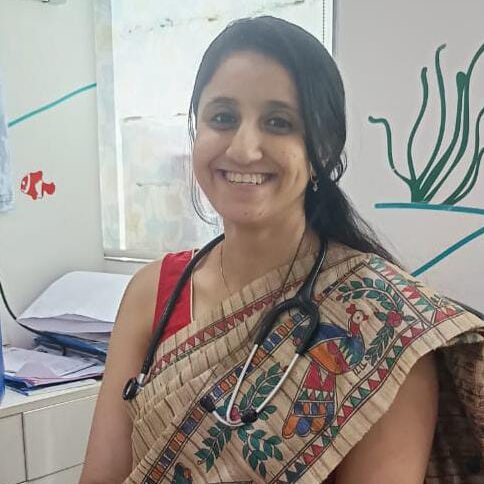
Dr Tanvi Modi,
MBBS,
MD, DNB (Paediatrics)