Labor pain. Two words that can make even the calmest mumma-to-be Google at 3 a.m.
From breathing techniques suggested by antenatal classes, to massage advice from well-meaning aunties, to Instagram reels promising “pain-free natural birth”—there’s no shortage of opinions. Somewhere between all this, many women quietly wonder:
“Can I take pain relief during labor… and is it okay?”
Short answer: Yes. And yes.
Your body is doing one of the hardest jobs possible—bringing a baby into this world. Wanting comfort during that journey doesn’t make you weak, less “natural,” or any less of a good mother. It makes you human.
There are multiple options for managing labor pain—non-medicinal (breathing, movement, massage), medicinal (like epidurals), and even combined approaches. Today, let’s talk about epidural pain relief, one of the most commonly used and well-studied options worldwide—so you can make a confident, informed choice without WhatsApp fear-mongering.
Who can opt for labor pain relief?
Let’s clear this up right away—because this is one of the biggest mental blocks for Indian women.
According to the American College of Obstetricians and Gynecologists (ACOG) and the American Society of Anesthesiologists (ASA):
A mother’s request for pain relief during labor is reason enough to provide it, unless there is a specific medical reason not to.
In simple words:
You don’t need to “prove” your pain.
You don’t need to wait till you’re exhausted.
You don’t need permission from society.
If you want pain relief, you can discuss it with your gynecologist at any stage of pregnancy or during labor. Your comfort matters.
How does an epidural work?
(Yes, this is the part everyone is curious—and slightly scared—about.)
When an epidural is given, the area on your lower back is first numbed using local anesthesia. This means you don’t feel sharp pain when the procedure is done.
A thin needle is then used to reach a space near your spinal cord (not inside the cord itself). Through this needle, a small soft tube (catheter) is placed. The needle is removed, and pain-relief medicine is delivered through this tube.
This setup allows continuous pain relief throughout labor, instead of repeated injections.
What does it feel like after?
Pain relief usually starts within 10–20 minutes
Strong contraction pain reduces significantly
You remain awake, alert, and aware
You can still feel pressure and participate in pushing
You can move your legs a little (but not walk)
In many setups, you may be able to adjust the dose within safe limits
An epidural doesn’t make labor “disappear,” but it makes it manageable, allowing you to focus on breathing, resting, and welcoming your baby—rather than just surviving the pain.
Does an epidural affect the mode of delivery?
This is one of the most common fears Indian moms hear:
“Epidural lene se C-section ho jaata hai.”
Thankfully, modern research does not support this fear:
Epidurals do not increase the risk of C-section
They do not cause emergency delivery due to baby distress
Baby’s heart rate is continuously monitored and managed by the delivery team
Yes, labor may be slightly longer in some cases—but longer does not mean dangerous. Your doctor and anesthetist monitor both you and the baby closely at all times.
Bottom line: Epidurals do not decide your delivery mode, medical conditions do.

What are the side effects of epidurals?
Like any medical procedure, epidurals can have side effects—but most are temporary and manageable.
Commonly reported side effects:
Itching
Low blood pressure
Nausea
Difficulty urinating
Doctors and nurses actively monitor for these and treat them promptly. Serious complications are very rare.
A common worry among new moms is breastfeeding—so let’s say this clearly:
Epidurals have negligible effect on breastfeeding initiation.
You can still bond, feed, and care for your baby normally.
Common myths indian moms hear
“Real mothers tolerate labor pain”
Pain tolerance has nothing to do with love, strength, or motherhood. You don’t get extra parenting marks for suffering silently.
“Epidural means total numbness”
No. You’re comfortable, not unconscious. You’re present, responsive, and able to push.
“Once you take epidural, you lose control”
Actually, many women feel more in control because pain no longer overwhelms them.
“Epidural will harm the baby”
Decades of research say otherwise. Baby safety is continuously monitored.
Cost of epidural in indian hospitals
Let’s talk practical numbers—because this question always comes up last minute.
In most Indian hospitals, the additional cost for an epidural ranges between:
₹10,000 – ₹15,000
Costs may vary depending on:
Hospital setup
Availability of anesthetist
City and level of care
It’s best to ask about this during antenatal visits so there are no surprises during labor.
Faster Care Tip: Skip the pharmacy rush! Order your baby care essentials and medicines online — it’s fast, safe, and delivered right to your doorstep. A few clicks today can save you a last-minute pharmacy run tomorrow.
Final reassurance for expecting mummas
Labor is intense. Emotional. Powerful. And deeply personal.
Some women choose breathing and movement.
Some choose epidurals.
Some combine methods.
There is no single “right” way to give birth—only the way that keeps you and your baby safe, supported, and respected.
Talk openly with your gynecologist. Ask questions. Watch reliable educational videos. Ignore guilt-based advice. And remember—you’re not alone in this journey.
Wishing you a calm mind, a supported labor, and a healthy, happy delivery
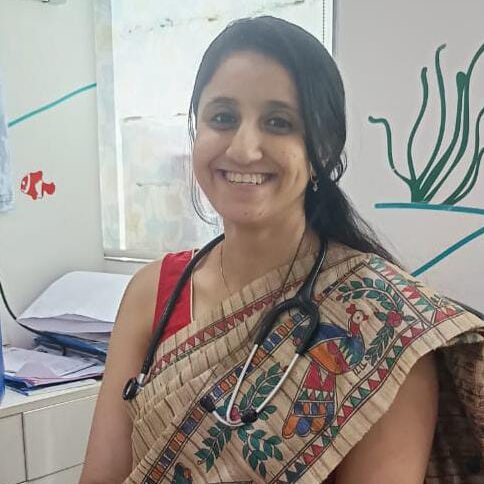
Last medically reviewed on January 20, 2026 by Dr. Bhavya Doshi Jain
MBBS (AFMC), MS, FMAS, MNAMS, PDCC ( AIIMS R)
Consultant Obstetrician and Gynecologist