


We all know that feeling — a sudden headache in the middle of work, that stiff neck after a long drive, or a body pain that makes you cancel weekend plans. The first reaction in most Indian homes? “Get a Dolo, Crocin, or a Saridon!”
Painkillers are among the most commonly used medicines in India — and also the most misunderstood. The good news: when used right, they’re safe and bring quick relief. This guide covers the most trusted pain relief medicines for headache, migraine, and body ache, along with home tips and safety reminders.
(Disclaimer: Always use painkillers as per doctor’s advice. Overuse can cause acidity, liver or kidney strain. No dosages here — consult your doctor or pharmacist for exact amounts.)
Common Types of Pain in Indian Families
Pain can strike for many reasons, but knowing which kind helps you choose the right remedy:
- Tension headache: From stress, long screen time, or dehydration.
- Migraine: Pulsating pain on one side, often with nausea or light sensitivity.
- Body pain: After viral fever, heavy work, or long travel.
- Joint or muscle pain: Common in adults, especially during weather changes.
If pain repeats often or lasts more than 2–3 days, always check with your doctor.
1. Paracetamol – India’s Go-To Safe Painkiller
Popular brands: Dolo 650, Crocin, Calpol, Pacimol.
Best for:
Mild to moderate headache, fever, and body ache.
Safe for most people, including elderly and children (with correct dose).
How it works: Reduces pain and fever by acting on brain’s temperature and pain centres.
Safety tip:
Avoid exceeding 4 grams a day (or 6 tablets of 650 mg).
Don’t mix two paracetamol brands together — same ingredient, risk of overdose.
2. Ibuprofen – Strong Relief for Muscle and Body Pain
Popular brands: Brufen, Ibugesic Plus, Combiflam (Paracetamol + Ibuprofen).
Best for:
Muscular pain, body ache after fever, toothache, menstrual cramps.
How it works: Reduces inflammation and swelling, giving deeper pain relief.
Safety tip:
Take after food — may irritate the stomach.
Avoid in those with ulcers, acidity, or kidney problems.
Not for long-term daily use without doctor’s advice.
3. Diclofenac – For Joint & Severe Pain (Use Cautiously)
Popular brands: Voveran, Dynapar, Diclogesic.
Best for:
Back pain, arthritis, sprain, or injury-related swelling.
How it works: Blocks prostaglandins — chemicals that cause inflammation and pain.
Safety tip:
Can cause acidity or heartburn — take after meals.
Should not be used in heart patients or for long durations.
Always consult doctor before using injections or gels daily.
4. Naproxen, Etoricoxib & Aceclofenac – Prescription Strength Relief
Popular brands: Naprosyn, Etoshine, Zerodol, Hifenac.
Best for:
Migraine, muscle stiffness, joint pain, and chronic conditions.
How they work: Belong to a group called NSAIDs (Non-Steroidal Anti-Inflammatory Drugs) that reduce both inflammation and pain.
Safety tip:
Doctor-guided only; not for children or pregnant women.
Avoid mixing with alcohol or other painkillers.
5. Migraine-Specific Medicines
For moderate to severe migraine attacks:
Sumatriptan (Suminat, Imigran): Targets migraine blood vessels and nerve signals.
Naproxen + Sumatriptan combos: For faster relief under doctor supervision.
Preventive medicines: Beta-blockers or supplements (like Magnesium, Riboflavin) prescribed by doctors for frequent migraine sufferers.
Home help: Sit in a quiet, dark room, hydrate well, and apply a cold compress on the forehead.
6. Topical Pain Relief Options
When you don’t want to swallow a pill, try external options:
Pain relief sprays or gels: Volini, Moov, Relispray for sprains or back pain.
Pain balm: Amrutanjan, Iodex for mild headache or neck stiffness.
Cold or hot packs: For swelling or muscle stiffness after exercise or long travel.
Tip: Avoid applying gels or sprays on open wounds or using heat after injury.
7. Safe Ayurvedic & Home Remedies
India’s desi solutions also help when used wisely:
Haldi milk: Natural anti-inflammatory for body pain.
Ajwain or methi seeds: Soaked or lightly boiled for joint pain relief.
Ginger tea: Helps with headache and menstrual cramps.
Massage with warm mustard or sesame oil: Soothes stiff muscles.
Note: These are supportive, not substitutes for medical treatment.
Common Myths About Painkillers
“Dolo 650 is stronger than Crocin.”
Both are same — paracetamol. Only branding differs.
“Painkillers cure the cause.”
No — they relieve symptoms while the body heals or treatment continues.
“One tablet more = faster relief.”
Overdose can damage liver or kidneys. Always stay within limits.
“Pain sprays work instantly like magic.”
They give temporary relief — if pain persists, see a doctor.
Faster Care Tip: Skip the pharmacy rush! Order your essentials medicines online — it’s fast, safe, and delivered right to your doorstep. A few clicks today can save you a last-minute pharmacy run tomorrow.
When to See a Doctor Immediately
Pain lasting more than 3 days despite medicines.
Severe headache with vomiting, blurred vision, or neck stiffness.
Chest pain, breathlessness, or unusual swelling.
Repeated use of painkillers causing acidity or black stools.
Pain is common, but popping pills randomly isn’t the answer.
If you:
- Use only one painkiller type at a time,
- Take it after food and only as long as needed,
- Keep hydrated and rest properly, and
- See your doctor when pain doesn’t settle —
you’ll manage safely without risking side effects.
In short, Dolo, Brufen, or Moov aren’t magic — your body is.
Treat it with care, use medicines wisely, and keep that calm Thane-family spirit strong.
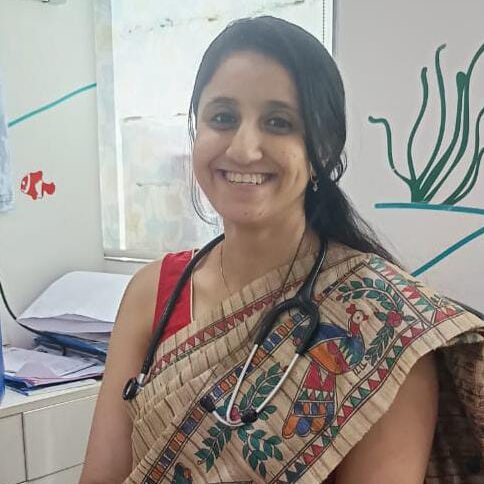
Dr Tanvi Modi,
MBBS,
MD, DNB (Paediatrics)
Last medically reviewed on September 25, 2025 by Dr Tanvi Modi, MBBS, MD, DNB (Paediatrics)